Ambient Storage in Jeddah: The Smart Choice for 2026
Ambient storage in Jeddah quietly powers a huge share of the city’s commerce — from canned goods and packaged dry foods to hardware, textiles, and shelf-stable retail stock. It is the workhorse of the warehousing world: no refrigeration, no complex plant, just clean, secure, well-organised space kept at normal warehouse temperature. In 2026, as businesses hunt for lean supply chains, ambient warehousing offers the best cost-to-value ratio available.
But “no refrigeration” does not mean “no strategy.” The way you plan racking, airflow, security, and inventory flow determines whether ambient space saves money or leaks it. This article looks at ambient storage through a practical, operator’s lens.
What Is Ambient Storage, Exactly?
Ambient storage holds goods at the natural, uncontrolled temperature of a well-built warehouse — typically shaded, ventilated, and protected from direct sun and rain, but without active cooling. It suits any product that stays stable across a normal indoor range. That covers a surprisingly wide catalogue.
- Canned, bottled, and jarred foods.
- Dry staples such as rice, flour, pasta, and pulses.
- Packaging materials, paper, and stationery.
- Hardware, tools, and building supplies.
- Textiles, apparel, and household goods.
Because it skips refrigeration, ambient space costs far less to run — and those savings pass through to tenants. For businesses that only need cold space for part of their range, splitting inventory between ambient and chilled zones is the most efficient play.
Why Ambient Storage in Jeddah Wins on Cost
Energy is the single biggest variable cost in a temperature-controlled warehouse. Remove the compressors and generators sized for cooling, and the operating bill drops sharply. That is why Ambient Storage in Jeddah is consistently the most affordable way to warehouse shelf-stable inventory near the port and the city’s distribution routes.
Where the Savings Come From
| Cost Factor | Ambient | Chilled |
|---|---|---|
| Energy consumption | Low | High |
| Equipment maintenance | Minimal | Frequent |
| Backup power needs | Basic | Critical |
| Rate per pallet | Lowest | Premium |
| Setup complexity | Simple | Complex |
How Do You Get the Most From Ambient Space?
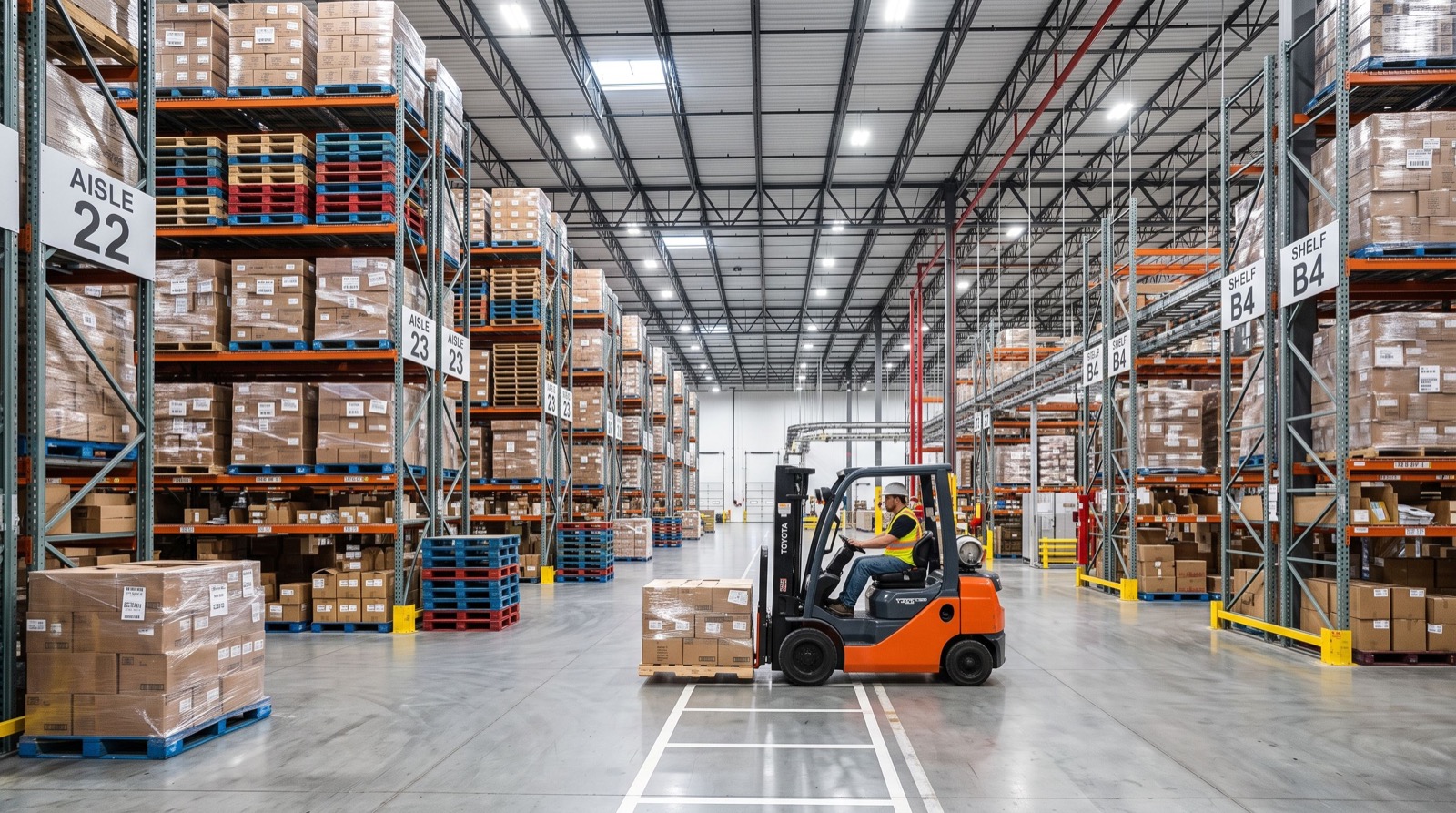
The best ambient operations feel effortless because someone engineered the flow. Here is how leading facilities squeeze value from every square metre:
- Vertical racking: use height, not just floor area, to cut cost per unit stored.
- Clear zoning: fast-movers near the dock, slow stock deeper in.
- Ventilation: good airflow keeps ambient temperature even and prevents hot pockets.
- Pest and moisture control: sealed doors and monitoring protect dry goods.
- Barcode inventory: real-time counts reduce shrinkage and speed up picking.
A facility run by an experienced local team will already have these systems dialled in, which means less onboarding friction for you and faster order turnaround from day one.
Ambient Storage for the Food and Restaurant Sector
Jeddah’s booming hospitality scene leans heavily on ambient warehousing. Restaurants, cloud kitchens, and catering companies keep the bulk of their dry inventory — oils, canned tomatoes, flour, spices, packaging — in ambient space, reserving pricey chilled and frozen room only for perishables.
Specialised Storage for Restaurants pairs this ambient bulk with the handling and hygiene standards the food trade demands, giving operators one dependable base for their entire dry-goods supply. The result is fewer emergency runs, better bulk-buying power, and steadier kitchen operations.
Food Safety Still Applies
Ambient does not mean unregulated. Dry-food storage must protect against pests, moisture, and cross-contamination. The World Health Organization’s guidance on food safety underscores the importance of proper storage conditions across the chain; you can read the fundamentals from the World Health Organization. A well-run ambient warehouse builds these principles into its daily routine.
Ambient vs. Climate-Controlled: Making the Call
Choosing between ambient and cooled space comes down to your product’s tolerance and your margins. Ask three questions: Does the product degrade at normal indoor temperatures? Does its value justify the cost of cooling? And how long will it sit in storage? If a product is shelf-stable and moves reasonably quickly, ambient is almost always the right, cost-smart answer.
Many businesses run a hybrid model — the majority in ambient, a small chilled reserve for the sensitive minority. This blend keeps costs low without risking the goods that genuinely need cooling.
A Field-Tested Tip
One practical insight often overlooked: seasonal heat still affects ambient warehouses, even without direct sun. During peak summer, the top racking tier can run several degrees warmer than the floor. Store your most heat-tolerant, fast-moving stock up high and keep anything borderline — chocolate-coated snacks, certain adhesives, aerosols — on lower, cooler tiers. This simple stacking discipline prevents surprise spoilage at no extra cost.
Ambient Storage and Jeddah’s Logistics Advantage
Location amplifies the value of ambient space. Jeddah sits at the crossroads of Red Sea shipping and the Kingdom’s inland distribution network, so goods can move from vessel to warehouse to market in a tight, predictable window. An ambient facility positioned near the port and main arterial roads shortens transit, cuts fuel cost, and speeds replenishment for retailers across the western region.
For importers, that proximity also reduces the time freshly landed stock spends in transit heat before it reaches shaded, ventilated storage — a small detail that protects even shelf-stable goods like chocolate-coated snacks and pressurised cans during the hottest months.
Common Mistakes to Avoid With Ambient Storage
Even a low-cost model can leak money when it is run carelessly. Watch for these avoidable errors:
- Overpacking aisles: cramming stock blocks airflow and slows picking, creating hot, hard-to-reach pockets.
- Ignoring humidity: dry goods still absorb moisture; unmonitored damp ruins flour, cartons, and labels.
- Poor labelling: without clear bin locations, staff waste hours hunting and mis-ship orders.
- Skipping rotation: stock pushed to the back expires unnoticed, turning savings into write-offs.
- Neglecting pest checks: a single infestation can contaminate an entire dry-food bay.
Sidestep these, and ambient warehousing rewards you with dependable, low-cost storage that keeps orders flowing and margins intact throughout the year.
Frequently Asked Questions
What temperature is ambient storage in Jeddah kept at?
Ambient storage follows the natural indoor temperature of a shaded, ventilated warehouse rather than a fixed set point. Good facilities manage airflow to keep conditions stable and avoid hot pockets, but they do not actively refrigerate.
What products are suitable for ambient storage?
Any shelf-stable goods — canned and dry foods, packaging, hardware, textiles, and household items. Products that melt, spoil, or degrade in heat should go into chilled or climate-controlled space instead.
Is ambient storage cheaper than chilled storage?
Yes, significantly. Without refrigeration equipment and the energy to run it, ambient space carries much lower operating costs, which translates into lower rates per pallet for tenants.
Can restaurants use ambient storage for their supplies?
Absolutely. Most of a restaurant’s dry inventory belongs in ambient space, with only perishables needing chilled or frozen storage. Dedicated food-and-beverage facilities combine ambient bulk with proper hygiene handling.
Conclusion
Ambient storage in Jeddah remains the backbone of cost-effective warehousing in 2026. By reserving expensive cooling for the goods that truly need it and running a well-organised ambient operation for everything else, businesses cut costs without cutting corners. Match your inventory to the right space, apply smart stacking and inventory discipline, and partner with an operator who knows the local market. Do that, and your storage becomes a lever for profit rather than a line of expense. Explore your ambient options today.